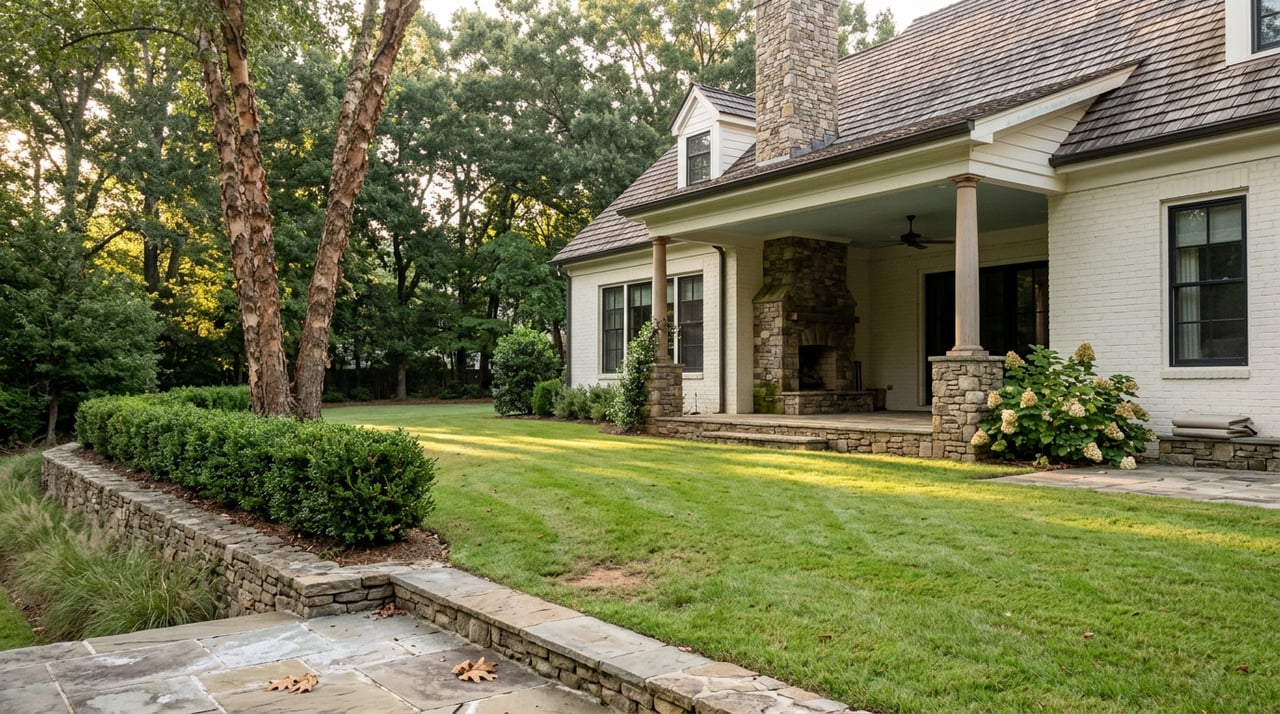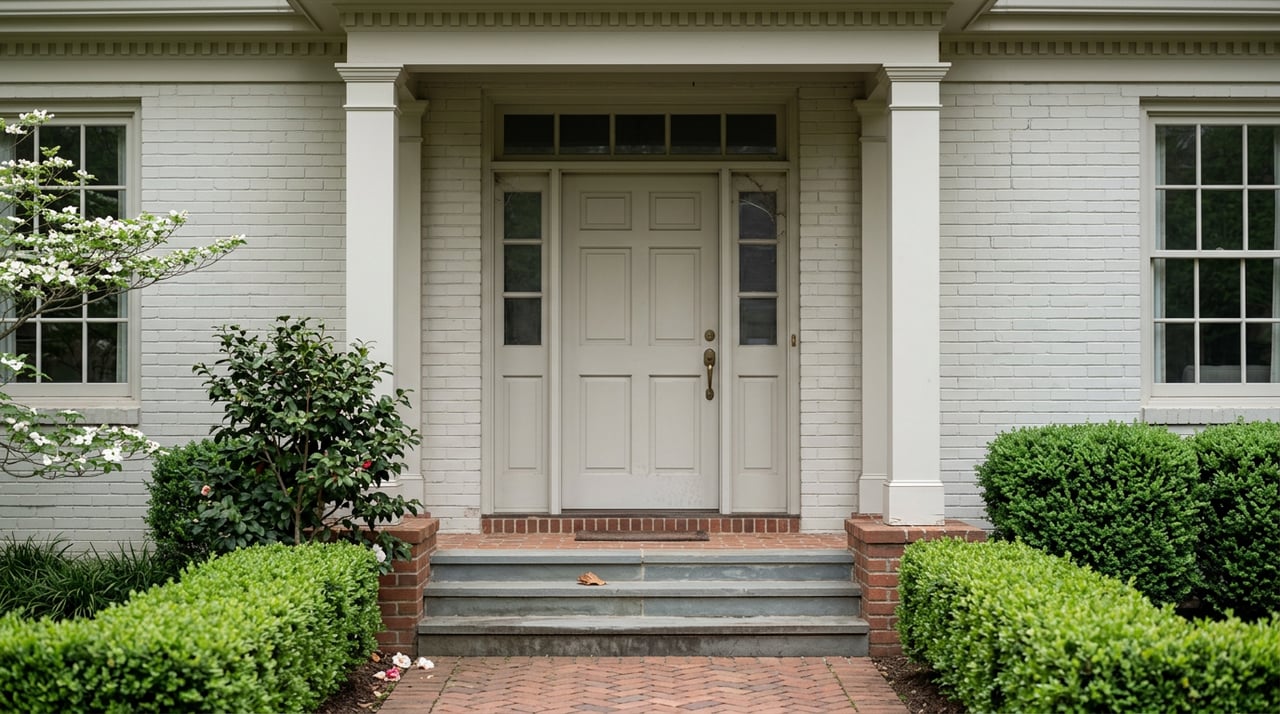
A buyer closes on a cottage inside Roswell's Historic District in early summer, already picturing a rear addition finished before the holidays. The Certificate of Appropriateness application goes in, a Historic Preservation Commission meeting gets scheduled, and the applicant walks out of that meeting with an approval in hand, feeling like the hard part is over. It isn't. The building permit process, the one that actually authorizes construction, starts from zero the moment that meeting ends.
This is the recurring surprise that catches most first-time historic district owners off guard. Preservation approval and construction approval are two separate systems in Roswell, run by two different offices, on two different calendars. In 2026, a third layer entered the picture. A state tax credit built for exactly this kind of renovation finally became usable for owner-occupied homes, but only for buyers who apply before the first nail goes in. Get the order wrong and the money is gone before the project even starts.
Two Boards, Not One
Roswell's Historic Preservation Commission oversees design review for the city's 640-acre Historic District, the walkable core built around Canton Street, Mimosa Boulevard, and the mill corridor along Vickery Creek. The commission is made up of citizen volunteers, and city rules require a majority of them to have demonstrated background in history or architecture. Its job is to approve or deny exterior changes: new construction, demolition, moving a structure, or altering the exterior appearance of an existing building, right down to fencing and landscaping features classified as part of a property's external environment.
Outside the district boundary, a separate body, the Design Review Board, handles a similar function for commercial development projects, but it does not review single-family homes at all. Confusing the two is common, and it matters, because only one of them governs what a homeowner near Bulloch Hall or Barrington Hall can actually do to a porch, a roofline, or a driveway.
What Actually Triggers a Review
The trigger list is broader than most buyers expect walking in.
A new roofline, a repainted brick facade, a torn-down garage, even a relocated fence line inside the district boundary all call for the same step: commission review before the work begins.
Filing that application is not a same-day errand either. Roswell's Community Development Department, on the ground floor of City Hall at 38 Hill Street, requires every applicant to complete an orientation with staff before submitting the checklist of required materials. That orientation, plus the commission's own meeting calendar, is the first real constraint on any renovation timeline. Miss a submission cutoff and the project waits for the next scheduled meeting, sometimes a month or more away.
The Permit Process Starts After, Not Instead
Approval from the commission answers one question: does this change fit the character of the district. It does not answer whether the work meets code. Roswell's building division still enforces the same state building, mechanical, plumbing, and electrical requirements that apply anywhere else in Georgia, and that review happens separately, after preservation approval, not in place of it.
| Review | Who Handles It | What It Decides | When It Happens |
|---|---|---|---|
| Historic Preservation Commission | Seven-member citizen board | Whether the exterior change fits the district's historic character | Before construction, on the commission's meeting calendar |
| Standard building permit | City building division | Whether the work meets Georgia building, mechanical, plumbing, and electrical code | After HPC approval, before construction begins |
Two approvals, two timelines, and a buyer who plans a project around only one of them is planning around half the calendar.
The 2026 Tax Credit That Rewards Getting the Order Right
For owners willing to work inside these constraints, 2026 brought a genuine incentive. Georgia's Historic Home Tax Credit Program offers a 25 percent state income tax credit on qualifying rehabilitation costs, capped at $100,000, for owner-occupied homes that are locally designated or contributing to a historic district. Roswell's Historic District qualifies. Applications opened October 1, 2025, but the law required that no rehabilitation work begin before January 1, 2026, the date the program actually took effect.
The state's own guidance is direct about what happens to owners who skip the paperwork. Submitting the application before work starts is what allows Georgia's Historic Preservation Division to catch problems early, and while projects already underway or even finished can still be submitted for review, any work completed before that review began remains subject to the same rehabilitation standards and can be denied credit if it falls short. Get ahead of the process and the credit is real money against a real renovation bill. Start swinging a hammer first and the state can still refuse to count the work it never got to evaluate.
Owners can pair that income tax credit with Georgia's Preferential Property Tax Assessment Program, which freezes the county assessment on a rehabilitated historic property for more than eight years. The freeze does not last forever. The assessment steps up by half the accumulated difference in year nine and returns to full current value in year ten, so the benefit is real but has an expiration built into it from the start.
One more distinction is worth knowing only so it doesn't get confused with the residential credit. Separate legislation, effective July 1, 2026, doubled the statewide annual cap on Georgia's rehabilitation credit for other certified historic structures, meaning non-owner-occupied and income-producing buildings, from $30 million to $60 million, while trimming that program's per-project rate to 20 percent for expenditures approved on or after January 1, 2026. That change applies to commercial and investment properties. The owner-occupied Historic Home Credit that most Roswell district homeowners will actually use keeps its 25 percent rate and $100,000 cap.
What This Changes for a Buyer Closing This Year
None of this argues against buying in the district. Canton Street's restaurants, the Vickery Creek trails through Old Mill Park, and the sense of place tied to landmarks like Bulloch Hall and Barrington Hall are exactly what draws people here in the first place. It argues for building the calendar backward before writing an offer. A buyer who wants a finished addition by next summer needs to count backward from that date through two board calendars and one state preapproval window, not one meeting and a contractor bid.
That is the kind of sequencing question worth raising with a broker before the due diligence period runs out, not after. Timeline risk inside the Historic District is negotiable in an offer. Preservation approval, permitting, and state credit deadlines are not.
FAQ
Does every home in Roswell need Historic Preservation Commission approval before renovation? No. Only properties inside the 640-acre Historic District boundary are subject to HPC review, and only for exterior changes. Homes outside the district follow standard permitting alone.
Does interior renovation need HPC approval? No. The commission's review covers exterior architectural changes, new construction, demolition, moving structures, and changes to a property's external environmental features. Interior work goes through the standard permit process only.
Can I still claim the tax credit if I already started renovation? The state's guidance favors applying before work begins, since that is what allows early review of the project. Ongoing or completed projects can still be submitted, but any work performed before that review started remains subject to the same rehabilitation standards and can be denied if it doesn't meet them.
Is Historic Preservation Commission approval the same thing as a building permit? No. HPC approval addresses whether an exterior change fits the district's historic character. A separate building permit from the city's building division confirms the work meets Georgia's building, mechanical, plumbing, and electrical codes. Both are required, in sequence.
Buying inside Roswell's Historic District rewards patience and planning more than most other markets in North Metro Atlanta. If you're weighing a home here, or already own one and are ready to make a change, Mark Shoda can walk through the calendar with you before you write the offer, not after. Let's Connect.